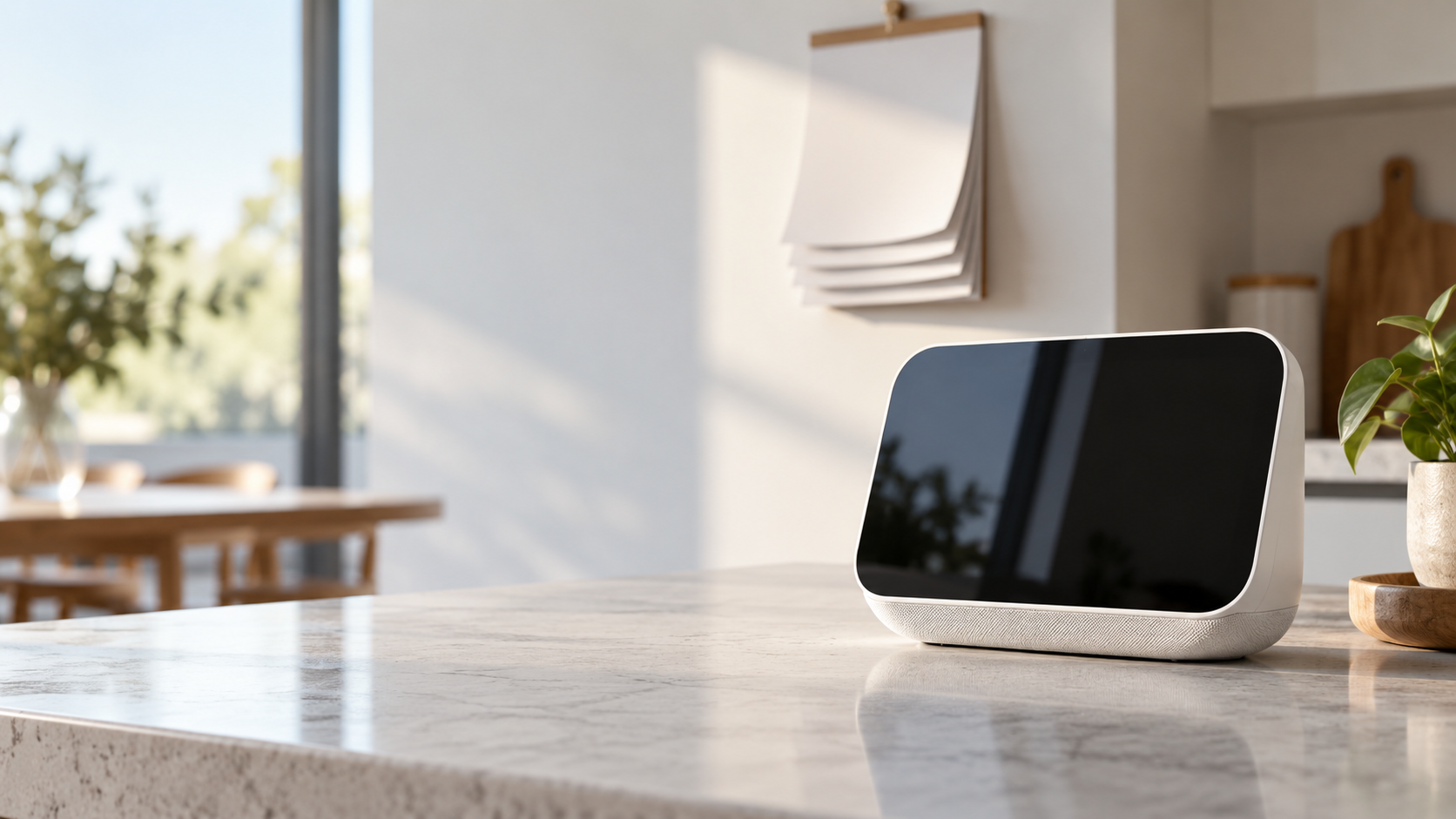
HomePod Mini 2 First Look: Three Strengths, One Concern
HomePod Mini 2 First Look: Three Strengths, One Concern
The HomePod Mini 2 sounds like the kind of Apple smart speaker many users would welcome: compact, ecosystem-focused, and potentially improved in the areas that matter most in daily use. However, the available source material creates an important limitation. The supplied first-look summary confirms that The Verge discussed three positive features and one disappointment, but it does not identify those features, explain the limitation, or provide verified specifications.
A responsible HomePod Mini 2 first look must therefore separate confirmed information from speculation. This article does not present rumored hardware, pricing, release information, or performance claims as facts. Instead, it explains how to assess the new HomePod Mini against the original model, the full-size HomePod, and alternative smart speakers once reliable information becomes available.
What Is the HomePod Mini 2?
Positioning Within Apple’s HomePod Lineup
Apple’s smaller smart speaker is designed to sit below the full-size HomePod. Its compact design makes it suitable for bedrooms, offices, kitchens, desks, and other smaller spaces. The larger HomePod occupies a different position, with more room for audio hardware and a higher expected price.
The HomePod Mini’s appeal has traditionally depended on more than sound quality. Apple users may value voice control, AirPlay, smart-home features, multi-room playback, and integration with other Apple devices. These features can make a compact speaker useful even when it cannot match the bass depth or maximum volume of a larger model.
The supplied first-look source does not confirm how the HomePod Mini 2 fits into Apple’s lineup. It also does not verify its dimensions, price, launch date, internal hardware, colors, materials, or software features. Those details require confirmation from the original article or Apple’s official documentation. Source 1
What Has Changed From the Original HomePod Mini?
The supplied material does not establish any confirmed differences between the HomePod Mini 2 and the original HomePod Mini.
The following areas remain unverified:
- Design changes
- New colors or materials
- Audio hardware
- Bass or volume performance
- Siri improvements
- Smart-home capabilities
- Connectivity
- AirPlay or multi-room features
- Price
- Release date
- Compatibility requirements
A product-generation comparison should rely on documented changes rather than expectations. A new model name does not prove a major redesign. It could represent a meaningful hardware update, a small internal revision, or a product that improves mainly through software.
Three Things I Love About the HomePod Mini 2
The available summary states that The Verge identified three features it liked, but it does not identify them. The sections below explain how those strengths should be assessed without inventing product claims.
1. The First Positive Feature Remains Unverified
A strong feature should be judged by its effect on everyday use. A specification matters only when it produces a noticeable improvement in a real environment.
A genuine improvement could involve faster responses, clearer sound, more reliable smart-home control, better voice recognition, or easier setup. However, none of these changes can be attributed to the HomePod Mini 2 based on the supplied summary.
The confirmed first-look article should answer these questions:
- What does the feature do?
- Does it work immediately, or does it require specific setup?
- Is the improvement noticeable compared with the original HomePod Mini?
- Does it require an iPhone, Apple account, subscription, or compatible smart-home device?
- Does it benefit every buyer or mainly people invested in Apple’s ecosystem?
Existing HomePod Mini owners should avoid upgrading for a feature they will use only occasionally. A new function matters most when it improves frequent tasks such as music playback, timers, personal requests, home controls, or communication between rooms.
2. The Second Positive Feature Needs Practical Evidence
The second strength should be evaluated through observable performance rather than general praise. If the original first-look article describes improved responsiveness, it should explain how quickly the speaker reacts and whether it performs consistently.
If the feature concerns sound, relevant details include vocal clarity, bass response, maximum volume, stereo separation, and performance in small and large rooms. If it concerns Apple integration, the article should identify supported devices and services rather than describing the ecosystem broadly.
The comparison should remain realistic. If the HomePod Mini 2 is positioned as a compact speaker, it should not be judged by exactly the same standards as the full-size HomePod. A small speaker can be the better choice for a desk or bedroom even when a larger model delivers deeper bass and broader room coverage.
The supplied sources do not confirm which area The Verge praised. This feature cannot therefore be named or presented as a verified advantage.
3. The Third Positive Feature Could Define the Upgrade
The third strength may be the feature that makes the HomePod Mini 2 feel genuinely new rather than merely refreshed. That conclusion requires direct evidence from the first-look report.
A meaningful upgrade normally has one or more of these characteristics:
- It solves a problem owners experience frequently.
- It improves a basic function without requiring complicated setup.
- It works across Apple devices or supported smart-home products.
- It provides a noticeable benefit in ordinary rooms.
- It gives first-time buyers a clear reason to choose the new model.
A minor internal change may still matter if it improves reliability, heat management, wireless performance, or long-term support. It should not be described as a major redesign without confirmation.
For existing HomePod Mini owners, the difference between a refinement and a substantial upgrade is critical. A new purchaser can judge the Mini 2 against its price and alternatives, while an existing owner must also consider replacement cost.
The One Disappointment: The Limitation Is Not Identified
What the Problem Is
The supplied summary confirms that The Verge reported one disappointment but does not state what it was. It could concern audio quality, Siri, connectivity, compatibility, design, pricing, missing hardware, or limited upgrade value. No specific criticism can be assigned to the HomePod Mini 2 without the full source.
A reviewer’s disappointment may also reflect a personal priority rather than a universal flaw. A sound-focused reviewer may object to limited bass, while a smart-home user may care more about voice-command reliability. A high price may be acceptable for an Apple household but unattractive to buyers comparing basic smart speakers.
How Much Would the Disappointment Matter?
The impact depends on the buyer:
- New Apple users may accept a limitation if the speaker provides convenient access to Apple services and works well with their existing devices.
- Original HomePod Mini owners need a stronger reason to upgrade because a small improvement may not justify replacing a functional speaker.
- Full-size HomePod owners may want a compact speaker for another room rather than better sound.
- Smart-home users should focus on supported devices, voice recognition, automation features, and reliability.
- Budget buyers should compare the confirmed price with less expensive speakers and discounted original models.
Because the limitation is not identified, the available evidence cannot establish whether it is a minor inconvenience or a purchase-blocking issue.
Does the Disappointment Undermine the Upgrade?
The answer depends on how the missing detail relates to the three positive features. If the disappointment affects a core function such as sound quality, voice control, or compatibility, it could outweigh several smaller improvements. If it concerns a secondary feature, the product may still be attractive.
A final verdict should wait until the following information is confirmed:
- Official specifications
- Retail price
- Availability
- Supported software features
- Independent sound testing
- Compatibility requirements
- Performance compared with the original model
Sound Quality: What to Expect
Compact Speaker Performance
A compact speaker usually involves trade-offs involving size, bass depth, maximum volume, and room coverage. A smaller design fits more easily into a bedroom or office, but it may not produce the same low-frequency impact as a larger enclosure.
The available HomePod Mini 2 material does not confirm its sound characteristics. There is no verified information about clarity, bass response, vocal detail, volume, soundstage, or performance in different room sizes.
A proper review should describe what listeners hear rather than rely on specifications alone. It should explain whether vocals remain clear at low volume, whether bass sounds controlled or limited, and whether the speaker maintains its balance at higher volume.
Claims of audiophile-level sound should be avoided unless supported by testing. Compact speakers can sound impressive for their size without replacing dedicated stereo equipment.
Comparison With the Full-Size HomePod
The full-size HomePod occupies a different category within Apple’s lineup. Its larger enclosure and higher positioning make it more relevant to buyers who prioritize bass, maximum volume, and wider room coverage.
What Hi-Fi?’s HomePod 2 review provides context about the larger speaker’s sound, design, features, and value, but it does not establish the performance of the HomePod Mini 2. Source 9
The comparison should consider:
- Bass depth
- Maximum volume
- Room coverage
- Physical size
- Price
- Stereo-pair options
- Placement flexibility
A buyer with a small room may prefer a compact speaker even when the full-size model sounds better. A buyer building a primary living-room audio system may value the larger model’s capabilities more.
What Earlier HomePod Reviews Suggest
What Hi-Fi?’s broader HomePod coverage shows that smart-speaker value can increase through daily use. A speaker may become more compelling when it handles routines, music, reminders, home controls, and other tasks without requiring a phone each time. Source 5
That observation provides context, not evidence about the HomePod Mini 2. Its performance and software experience require separate testing.
Smart-Home and Apple Ecosystem Experience
Siri and Voice Control
Siri is central to the HomePod experience, but the supplied first-look summary does not confirm whether the HomePod Mini 2 improves recognition, response speed, media control, personal requests, or smart-home commands.
A proper review should test commands in ordinary conditions, including background music, distance from the speaker, different rooms, and multiple users. It should also identify whether a feature requires a particular Apple device, account setting, or software version.
HomeKit and Multi-Room Audio
The HomePod Mini 2’s smart-home and audio capabilities must be confirmed before publication. Potential areas include multi-speaker playback, stereo pairing, intercom-style communication, AirPlay, and home automation.
These features may depend on compatible Apple devices, supported accessories, network conditions, and current software. Unsupported compatibility claims should not appear in a buying guide.
Setup and Daily Convenience
The most useful setup information would explain how quickly the speaker becomes operational, what device is required, and whether users can manage settings easily.
Daily use should be assessed through common routines:
- Morning alarms
- Timers
- Reminders
- Music playback
- Podcast listening
- Smart-home controls
- AirPlay sessions
- Communication between rooms
Convenience can become more important over time than initial impressions. That principle applies to smart speakers generally, but it does not confirm any HomePod Mini 2 feature.
HomePod Mini 2 vs. the Original HomePod Mini
Reasons to Upgrade
Upgrade only for confirmed benefits that affect frequent use. A meaningful reason could include substantially better sound, more reliable voice control, improved connectivity, or a feature unavailable on the original model.
Reasons to Keep the Original
The original HomePod Mini may remain a practical choice if its size, sound, controls, and ecosystem integration meet the owner’s needs. A functioning speaker does not become obsolete merely because a successor arrives.
Owners should wait when the new model offers only small refinements or when the reported disappointment affects their main use case.
Which Model Offers Better Value?
Value depends on verified pricing, performance, software support, and discounts. The original model could become attractive if retailers reduce its price. The newer model may offer better long-term value if its improvements are substantial and its software support lasts longer.
No reliable price or availability information is included in the supplied sources.
HomePod Mini 2 vs. Alternatives
The HomePod Mini 2 could suit buyers who already use Apple devices, want a compact speaker, prefer Apple’s ecosystem, or plan to build a multi-room setup. Those recommendations require confirmation of the product’s actual features.
Other smart-speaker categories may suit buyers who want broader third-party assistant support, lower prices, stronger audio performance, or compatibility with a wider range of devices.
The best choice depends on ecosystem, budget, room size, privacy preferences, smart-home products, and audio priorities.
The supplied ZDNET source concerns Apple devices readers should avoid buying at a particular time, but its summary does not identify the devices or reasons. It cannot support claims about the HomePod Mini 2. Source 3
The AppleInsider article about the iPhone 16e concerns a different product and cannot provide evidence about HomePod Mini 2 performance, pricing, or upgrade value. Source 7
Who Should Buy the HomePod Mini 2?
Best for Apple Ecosystem Users
The speaker is most likely to appeal to people who already use an iPhone, iPad, Mac, Apple TV, or compatible Apple services. Ecosystem convenience can matter as much as raw hardware performance.
Best for Small Rooms
A compact model is most appropriate for bedrooms, offices, kitchens, and other spaces where maximum volume and deep bass are not priorities. Confirmed testing should determine whether the Mini 2 performs well in these environments.
Not Ideal for Buyers Seeking a Major Audio Upgrade
Buyers seeking powerful bass, high volume, or a dramatic improvement over existing speakers should compare the HomePod Mini 2 with the full-size HomePod and dedicated audio systems. The available sources do not establish whether the Mini 2 delivers that type of upgrade.
Verdict: Check the Upgrade Value Before Buying
This HomePod Mini 2 review cannot verify the three features The Verge praised or the one disappointment it identified. The available summary confirms the article’s editorial structure but omits the product details needed for a factual buying recommendation. Source 1
First-time buyers should base their decision on confirmed price, sound quality, compatibility, and ecosystem benefits. Original HomePod Mini owners need a noticeable improvement in a frequently used feature. Full-size HomePod owners should decide whether they need a smaller secondary speaker rather than a replacement.
Buying rule: buy the HomePod Mini 2 when its confirmed features solve a specific need. Wait when the improvement is minor, the price is high, or the main limitation remains unresolved.
FAQ
Is the HomePod Mini 2 worth buying?
The supplied information is insufficient to give a definitive answer. First-time buyers should wait for confirmed specifications, pricing, availability, and independent testing. Existing owners should upgrade only when the new model offers a meaningful improvement.
What is new in the HomePod Mini 2?
The available summary does not identify any confirmed changes. Design, audio hardware, Siri, connectivity, colors, materials, price, and release information remain unverified.
How does the HomePod Mini 2 compare with the original HomePod Mini?
No verified comparison is available in the supplied material. The comparison should cover design, sound, features, software, price, and compatibility after the original first-look article or official documentation is reviewed.
Is the HomePod Mini 2 better than the full-size HomePod?
The answer depends on room size, budget, bass requirements, maximum volume, and ecosystem needs. What Hi-Fi?’s HomePod 2 review provides context about the larger model but does not establish HomePod Mini 2 performance. Source 9
Does the HomePod Mini 2 work with Apple smart-home devices?
Compatibility must be confirmed against Apple’s official documentation or the full first-look source. The supplied summary does not list supported devices, standards, or setup requirements.
Should existing HomePod Mini owners upgrade?
Only when the confirmed improvements address a meaningful need. Owners should keep the original model when it still provides adequate sound, reliable daily use, and the new model’s advantages are minor or offset by its reported limitation.