SpaceX Starlink Launch from California: What to Know
SpaceX Starlink Launch from California: Mission Details and Significance
SpaceX’s latest Starlink mission from California highlights two important parts of the company’s launch strategy: Vandenberg Space Force Base provides access to specialized orbital trajectories, while reusable Falcon 9 rockets continue to support the expansion of the Starlink constellation.
The mission carried another group of Starlink satellites into low Earth orbit, according to the supplied summary. However, the available material does not independently verify the launch date, mission name, satellite count, booster identity, launch time, or exact launch complex. Those details should be confirmed through official SpaceX updates, U.S. Space Force range notices, or a reliable launch database before publication.
The mission also comes as Falcon 9 activity appears to be slowing compared with earlier periods of exceptionally high launch frequency. A temporary reduction in cadence does not necessarily indicate a technical problem. Weather, range scheduling, payload readiness, regulatory approvals, booster maintenance, and changes in Starlink deployment priorities can all affect the interval between launches.
What Happened During the California Starlink Launch?
Launch location and timing
SpaceX uses Vandenberg for missions requiring trajectories that differ from the eastward routes commonly used by launches from Florida. The supplied topic identifies this event as a Starlink launch from California, but it does not provide enough verified information to establish the launch complex or schedule.
The final report should confirm whether the mission launched from Space Launch Complex 4 East, along with the date, launch time, weather conditions, and official mission designation.
Launch conditions affect both mission operations and appearance. Night launches can produce bright exhaust plumes against a dark sky, while dawn and dusk launches may create unusual colors when sunlight illuminates the plume at high altitude. Daylight launches generally offer clearer views of the rocket.
The launch window also reflects orbital requirements. Starlink satellites enter a planned orbit and later use onboard propulsion to reach their operational positions. SpaceX selects launch times according to orbital mechanics, range availability, weather, airspace restrictions, and rocket and payload readiness.
Falcon 9 deployment sequence
The mission used a Falcon 9 rocket to carry Starlink spacecraft into low Earth orbit. The supplied material does not verify the satellite count or booster identity. Those details should remain unconfirmed until supported by an official mission update or reliable launch record.
A typical Falcon 9 Starlink mission includes these stages:
- Liftoff: The nine Merlin engines on the first stage ignite and propel the rocket from the launch pad.
- Ascent: Falcon 9 accelerates through the atmosphere while the first stage provides most of the initial thrust.
- Stage separation: The first stage separates after completing its primary boost.
- Booster recovery: The first stage performs recovery maneuvers and attempts to land on a drone ship or landing zone.
- Second-stage flight: The second stage continues toward the planned deployment orbit.
- Satellite deployment: The Starlink spacecraft separate from the second stage in a controlled sequence.
- Orbit raising: The satellites use electric propulsion to move toward their operational orbital shells.
The satellites are not necessarily ready to provide service immediately after deployment. They must complete system checks, establish communications, adjust their orbits, and join the network. SpaceX may deorbit spacecraft that fail testing or experience operational problems.
Booster recovery and reuse
The Falcon 9 first stage normally attempts a controlled recovery, but the exact landing location and outcome for this mission remain unconfirmed in the supplied material.
A successful landing, a landing attempt, and an unconfirmed recovery are different outcomes. Video footage may show a booster returning toward a landing zone, but visual evidence alone may not confirm that it completed the landing or was later recovered.
Booster reuse can reduce hardware consumption, manufacturing pressure, and preparation time between missions. It also gives SpaceX additional flight experience with individual boosters. Reuse does not make launches cost-free: propellant, satellite production, ground operations, range services, inspections, refurbishment, and network deployment still require substantial resources.
Watch the SpaceX Starlink Launch Video
The verified launch video should appear near the top of the published article after the correct SpaceX, Spaceflight, or official range recording has been identified.
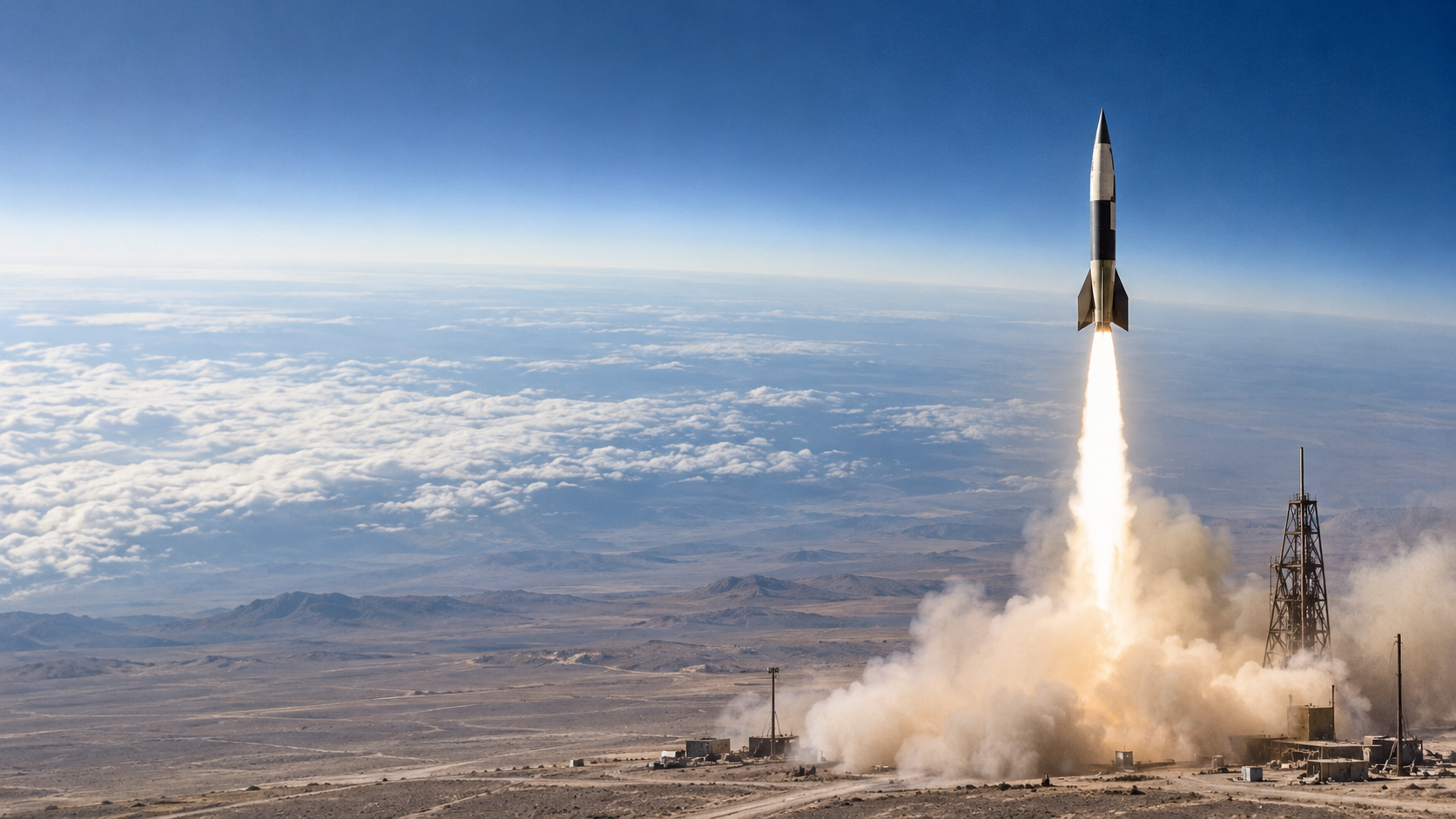
Suggested caption: A SpaceX Falcon 9 rocket launches a batch of Starlink satellites from California. Confirm the mission date, launch site, and footage source before publication.
The video may show engine ignition, liftoff, ascent, stage separation, the booster’s return maneuver, a landing attempt, and satellite deployment. The deployment sequence may not be visible from the ground, and the final video package varies by mission.
Why California launches look different from Florida launches
Vandenberg missions generally use the Pacific launch corridor, while many launches from Cape Canaveral Space Force Station and Kennedy Space Center travel east over the Atlantic. The visual appearance of a launch depends on its direction, time of day, cloud cover, atmospheric moisture, viewing distance, terrain, camera settings, and the Sun’s position relative to the exhaust plume.
A California launch therefore does not necessarily produce the same visual effects as a Florida launch.
The “jellyfish” effect
Some Falcon 9 launches produce a broad, glowing exhaust pattern commonly called a “jellyfish.” The effect occurs when exhaust expands at high altitude and catches sunlight while the ground remains dark or nearly dark.
The phenomenon is atmospheric and optical. It is not a separate spacecraft, an unusual propulsion system, or evidence of a malfunction. The available material does not establish whether this California mission produced the same effect, so that claim should be made only after reviewing verified footage.
Why SpaceX Launches Starlink Satellites from California
Vandenberg is valuable for missions requiring polar or near-polar trajectories. These paths support specific orbital inclinations and can reduce the need to fly over populated areas. For Starlink, orbital inclination affects coverage, satellite spacing, and network architecture.
Mission planners consider:
- Required orbital inclination.
- Launch direction.
- Range availability.
- Weather and airspace restrictions.
- Maritime safety zones.
- Payload readiness.
- Booster location and processing needs.
- Launch-pad availability.
California is not replacing Florida. The two regions serve complementary roles. Florida remains a major center for high-volume commercial, civil, military, and Starlink launches, while California provides access to other trajectories and adds operational flexibility.
Using both coasts can help SpaceX manage weather disruptions, range conflicts, pad maintenance, payload processing, booster availability, commercial commitments, and government schedules.
Falcon 9 Launch Cadence Appears to Be Slowing
Launch cadence describes how frequently a company launches rockets over a defined period. It can be measured by launches per month or quarter, average time between missions, or launches from a particular site.
The supplied topic refers to a slower Falcon 9 cadence, but the source summaries do not provide a complete launch count or date range. A final report should compare verified records over a consistent period rather than infer a long-term trend from a few missions.
Temporary reductions can result from:
- Weather delays.
- Range scheduling.
- Payload production timelines.
- Booster inspections or refurbishment.
- Regulatory approvals.
- Satellite manufacturing changes.
- Upgraded Starlink spacecraft.
- Competition for launch slots.
- Changes in deployment priorities.
- Ground-system or tracking requirements.
A lower cadence does not automatically indicate a Falcon 9 failure. It may reflect a transition between satellite generations, changing constellation requirements, or deliberate scheduling decisions.
Why cadence matters for Starlink
A high launch rate allows SpaceX to expand coverage, add capacity, replace failed satellites, and support new markets. A slower rate can affect regional capacity increases, service availability, satellite replacement cycles, network redundancy, and growth linked to additional users.
Network performance does not depend on launch frequency alone. It also relies on ground stations, user terminals, spectrum access, software, satellite positioning, traffic management, and local demand.
How the Mission Fits Starlink’s Expansion
The supplied material includes a report claiming that SpaceX launched its 10,000th active Starlink satellite into low Earth orbit. The wording and date require independent verification before publication.
The following terms are not interchangeable:
- Satellites launched: All spacecraft carried into orbit by rockets.
- Satellites deployed: Spacecraft released from a rocket’s upper stage.
- Active satellites: Spacecraft operating within the network.
- Operational satellites: Spacecraft that have completed testing and reached assigned positions.
- Deorbited satellites: Spacecraft intentionally removed from orbit.
- Inactive satellites: Spacecraft no longer providing service because of failure, testing, or retirement.
Starlink uses low Earth orbit because shorter distances can reduce latency compared with geostationary systems. The constellation’s scale creates challenges involving orbital congestion, collision avoidance, atmospheric drag, maneuvering, replacement, end-of-life disposal, and network coordination.
Additional satellites can potentially provide more capacity, stronger coverage in high-demand regions, greater resilience, improved aviation and maritime connectivity, and additional residential and business capacity. The effect varies by location and depends on demand, satellite positioning, ground infrastructure, weather, and network management.
What the Mission Says About Falcon 9 Reuse
Falcon 9 remains central to Starlink deployment because it combines established infrastructure, a reusable first stage, extensive flight experience, and flexible payload capability. SpaceX also uses the rocket for commercial, civil, and national-security missions, so Starlink launches form part of a broader launch portfolio.
First-stage reuse can reduce manufacturing demands and improve operational efficiency. Repeated flights also provide data about vehicle performance, refurbishment, and turnaround procedures. However, every mission still involves propellant, satellite manufacturing, payload processing, range operations, inspections, refurbishment, tracking, communications, and satellite activation.
A slower cadence does not invalidate the reuse model. It may reflect payload schedules, orbital requirements, range availability, or deliberate optimization.
How to Interpret the Video and Mission Reports
Technical details should come from reliable records, including SpaceX mission updates, official U.S. Space Force or range notices, Federal Communications Commission filings, and established launch databases.
Social media footage can help document what observers saw, but it should not independently establish the satellite count, booster flight number, orbit, satellite configuration, landing outcome, mission designation, or launch time.
The supplied material also contains unrelated entries and an unsupported claim about a “first-ever nuclear-powered commercial satellite.” That claim should not be connected to this Starlink mission without independent verification.
What Comes Next for Falcon 9 and Starlink?
SpaceX is expected to continue launching Starlink satellites from California and Florida, but specific dates should be taken from official announcements. Schedules can change because of weather, technical inspections, range availability, payload readiness, and regulatory requirements.
Future priorities may include expanding service into new markets, increasing capacity in crowded regions, replacing older spacecraft, deploying upgraded satellites, supporting aviation and maritime customers, and developing direct-to-device services where officially confirmed.
Constellation growth depends on more than rocket launches. SpaceX must coordinate satellite manufacturing, spectrum use, orbital approvals, ground infrastructure, software, collision avoidance, and customer equipment.
Conclusion
The California Falcon 9 mission represents another step in SpaceX’s continuing Starlink deployment effort. It also demonstrates why Vandenberg remains important: California provides access to orbital paths that complement missions launched from Florida.
The apparent slowdown in Falcon 9 cadence requires careful interpretation. Verified launch counts and dates are necessary before describing it as a sustained reduction. Temporary changes may result from weather, range scheduling, payload readiness, booster maintenance, regulatory approvals, or evolving Starlink priorities.
The launch video provides the clearest view of the mission’s ignition, ascent, staging, recovery attempt, and satellite deployment. The broader takeaway is that Falcon 9 remains central to Starlink’s expansion while SpaceX continues adjusting launch frequency, orbital plans, and mission scheduling as the constellation grows.
FAQ
Why did SpaceX launch Starlink satellites from California?
SpaceX uses California, especially Vandenberg Space Force Base, for missions requiring specific orbital trajectories. California complements Florida and supports different orbital inclinations.
What is the Falcon 9 “jellyfish” effect?
It occurs when Falcon 9 exhaust expands at high altitude and reflects sunlight while the launch area remains dark. It is an atmospheric lighting effect, not a separate spacecraft or propulsion system.
Is Falcon 9’s launch cadence slowing?
The supplied topic indicates a slowdown, but a confirmed trend requires verified launch counts and dates. Weather, range scheduling, payload readiness, maintenance, regulation, and deployment changes can all create temporary gaps.
How many Starlink satellites are in orbit?
The number changes as SpaceX launches, activates, and deorbits spacecraft. The supplied material references a 10,000-active-satellite milestone, but its exact figure and date require independent verification.
What happens after deployment?
The satellites adjust their orbits with onboard propulsion, complete system checks, separate into operational positions, and join the network. SpaceX may deorbit spacecraft that fail testing or reach the end of their service lives.
Will this launch improve Starlink service?
Additional satellites can increase capacity, coverage, and resilience, but the effect varies by location. Demand, satellite positioning, ground infrastructure, weather, and network management also affect service quality.