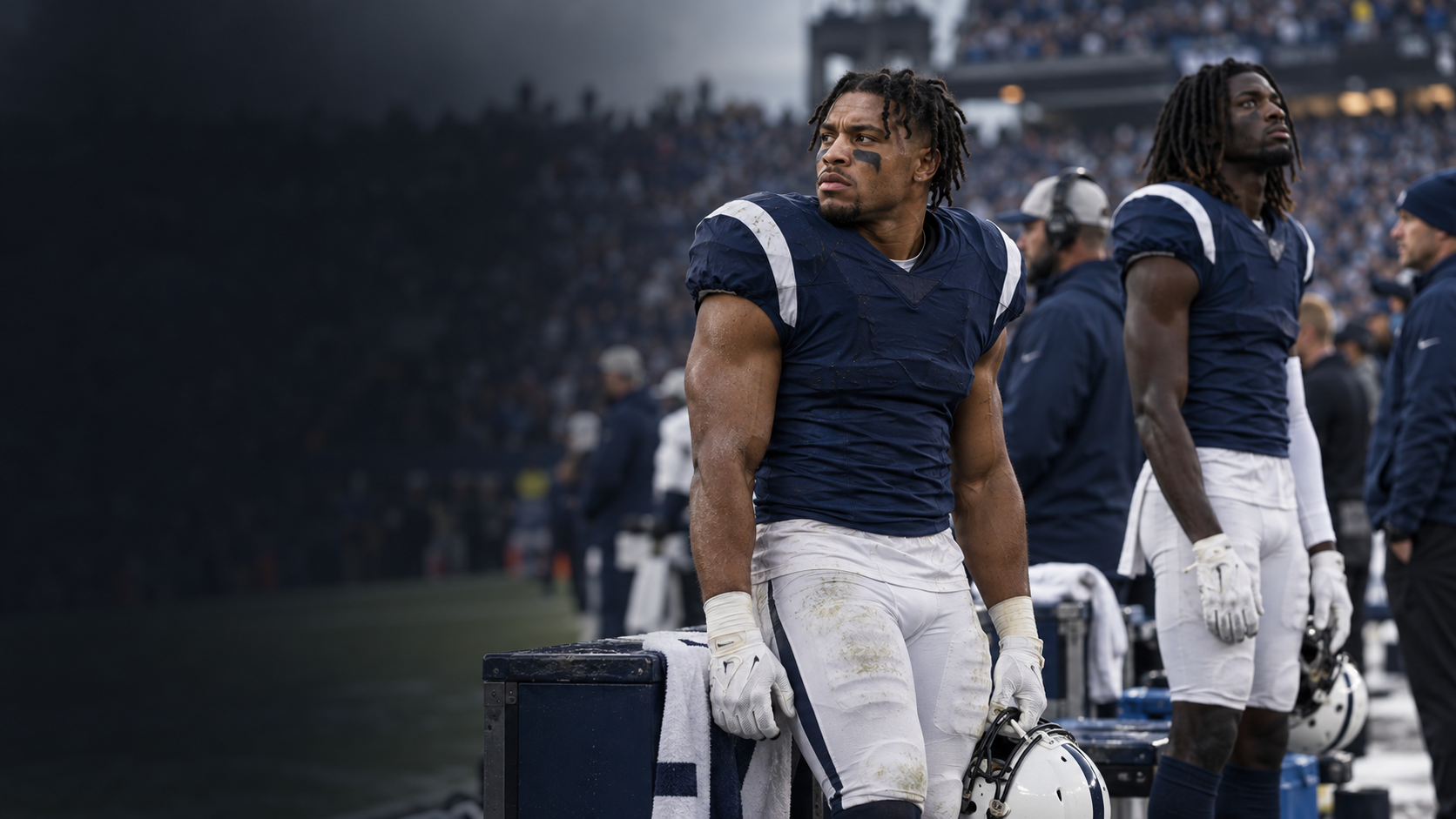
Why So Many NBA Stars Are Missing Games
Why So Many NBA Stars Are Missing Games?
It feels as though every NBA team has an important player on the injury report. Anthony Edwards, Paolo Banchero, and other high-profile players have recently missed games, raising concerns among fans, teams, broadcasters, and fantasy basketball managers.
The timing has made the issue more visible. When several stars are unavailable at once, competitive balance changes immediately. Offenses lose primary creators, rotations become less predictable, and fantasy managers rush to the waiver wire for replacement production.
Current coverage confirms that the situation has attracted widespread attention. However, the available reporting does not establish one definitive cause or prove that the NBA is experiencing an unprecedented injury rate. The most credible explanation involves several overlapping factors, including schedule density, travel, physical workload, year-round competition, cautious medical management, and greater visibility around player availability.
What We Know About the Current Injury Wave
Several Stars Are Missing at the Same Time
Yahoo Sports’ NBA injury coverage highlights fantasy opportunities created by the absences of Anthony Edwards, Paolo Banchero, and other stars. The report focuses on teammates who may receive additional minutes and responsibilities while those players remain unavailable Source 1.
A high-usage star affects nearly every part of a team’s performance. Stars control more possessions, create shots, draw defensive attention, anchor defensive schemes, and influence playoff projections. Their fantasy value also makes every update highly visible.
A rotation player’s absence can matter greatly, but a star’s absence produces more headlines and immediate statistical changes. That difference can make the injury situation appear larger than it is when measured across the entire league.
The Problem May Be Wider Than One Team
Simultaneous absences across multiple teams can create the impression of a league-wide crisis. That impression may reflect a genuine increase in injuries, a concentration of high-profile injuries, or more frequent public updates about routine availability decisions.
The supplied sources do not include league-wide injury totals, historical comparisons, or a verified database of games missed. They therefore cannot prove that the current injury rate exceeds previous seasons.
A reliable assessment would require data from the NBA injury report, official team announcements, and historical availability records. The analysis should separate major injuries from rest designations, illness, short-term soreness, and precautionary absences because those categories have different causes and competitive effects.
Why Timing Matters
The timing of an injury can be as important as the injury itself. Missing one game during a light stretch creates a different problem from missing several games during a compressed schedule.
When a star is unavailable, coaches must reconsider starting lineups, bench minutes, offensive play-calling, defensive assignments, back-to-back management, closing lineups, and playoff positioning.
The broader concern has also appeared in national basketball coverage, including The New York Times’ discussion of the league’s ongoing injury problem Source 2.
Why Are So Many NBA Players Injured?
The Workload Remains Physically Demanding
An NBA season combines frequent games, long-distance travel, intense possessions, jumping, sprinting, sudden changes of direction, and repeated physical contact. Players must perform at a high level while recovering between contests and maintaining conditioning through a long calendar.
Workload is a plausible contributor to fatigue, but it does not prove the cause of the current injury wave. Risk varies according to age, playing style, previous injuries, biomechanics, training, recovery, and chance.
Schedule Density Can Limit Recovery
Compressed scheduling can reduce the time available for sleep, treatment, strength work, travel recovery, and practice. Potential stressors include back-to-back games, four games in five nights, cross-country flights, extended road trips, overtime contests, and limited practice time.
Fatigue may affect movement quality and reaction time even when no obvious traumatic event occurs. However, no specific injury should be attributed to the schedule without medical or team evidence.
Pace and Physical Intensity May Add Stress
Faster possessions can increase the demands of transition play. Players sprint more often, recover quickly on defense, and make repeated high-speed movements in open space. Possible effects include greater hamstring and calf stress, lower-body fatigue, demanding landing mechanics, and more abrupt stops and direction changes.
This remains a possible explanation rather than a confirmed cause. A meaningful comparison would require season-by-season data on pace, workload, injury type, and games missed.
Teams May Be More Cautious
Modern teams may take a conservative approach when deciding whether a player should participate. A player may be held out because of a minor symptom, a medical test, preventive rest, or concern that continued play could worsen an existing issue.
That approach can increase missed games without indicating that player health has suddenly deteriorated. It may instead reflect a greater willingness to prioritize long-term availability over one regular-season contest.
“Out,” “questionable,” “rest,” and “available with a limitation” do not mean the same thing. Treating every absence as evidence of a major injury can distort the discussion.
Year-Round Basketball Adds to the Demands
Elite players face demands beyond the regular season. Their calendars can include playoffs, international competitions, national-team events, training camps, offseason workouts, and individual skill programs.
Shorter recovery windows may contribute to accumulated fatigue, particularly for players who consistently handle large workloads. Still, analysis must distinguish current-season injuries from recurring or pre-existing conditions. Without detailed medical and workload information, it is impossible to determine how much any one factor contributes.
How Injuries Change NBA Teams
Role Players Receive Sudden Opportunities
Injuries force coaches to change rotations quickly. A reserve may become a starter, while a two-way player or rookie receives regular minutes for the first time.
Common adjustments include:
- More minutes for bench players.
- New starting lineups.
- Greater ball-handling duties.
- Increased reliance on young players.
- Small-ball or positionless lineups.
- More responsibility for backup centers and guards.
Extra minutes do not guarantee production. A player may receive a larger role while struggling with efficiency, turnovers, defensive assignments, or the pace of NBA play.
Offensive Responsibilities Shift
When a primary scorer or creator is unavailable, secondary players usually absorb more possessions. That can produce higher shot attempts and assist totals, but it can also reduce shot quality and increase turnovers.
Teams may give backup guards more pick-and-roll possessions, ask wings to create off the dribble, increase post touches, use more motion offense, change the pace, or distribute creation duties among several players.
The absences of Anthony Edwards or Paolo Banchero illustrate how a high-impact loss can reshape an offense. Both players influence scoring, creation, and defensive attention. Specific adjustments should nevertheless be confirmed through team reports rather than assumed.
Defensive Matchups Become More Difficult
One missing defender can affect an entire defensive scheme. If a team loses its point-of-attack defender, another player may guard the opposing lead ball-handler. If a rim protector is absent, help rotations and rebounding responsibilities may change.
Injuries can weaken point-of-attack defense, rim protection, defensive rebounding, switching, help rotations, and transition defense. Replacement players may also become targets for opposing offenses.
Injuries Can Distort the Standings
A short-term injury wave can affect playoff seeding, play-in positioning, trade-deadline decisions, and late-season rest strategies. Teams that lose several important players may fall in the standings even when their underlying performance remains strong.
That pressure creates difficult choices. A team may protect a player’s long-term health and accept short-term losses, or take greater availability risks to preserve its postseason position.
Fantasy Basketball Impact
Injuries Create Waiver-Wire Opportunities
The “next man up” effect is one of the clearest fantasy consequences of NBA injuries. When a starter is unavailable, a teammate may inherit extra minutes, more shots, increased usage, or additional rebounding and defensive opportunities.
Yahoo Sports’ injury coverage specifically emphasizes players who may benefit from larger roles while prominent players are sidelined Source 1.
Fantasy managers should evaluate opportunity rather than simply add the most recognizable replacement. A player who starts may not receive meaningful usage, while a reserve with the second unit may control more possessions.
What Fantasy Managers Should Evaluate
Before adding a player, assess:
- Expected minutes: Playing time is often the most important variable.
- Starting-lineup status: A starting role can indicate opportunity but does not guarantee production.
- Usage rate: Determine whether the player will handle the ball or mainly space the floor.
- Ball-handling duties: Injuries to creators can increase assist opportunities.
- Rebounding and defense: Blocks, steals, and rebounds may rise even when scoring does not.
- Schedule strength: A favorable schedule can make a short-term streamer more valuable.
- Competition for minutes: Several teammates may share the available role.
- Injury timeline: A temporary absence requires a different strategy from a multi-week injury.
Short-term streamers may help during a favorable schedule. Multi-week additions deserve more roster space or budget. Season-long replacements should have a stable role that can survive the injured player’s return.
Production may decline once the original starter returns. Managers should not treat every temporary opportunity as a permanent breakout.
Monitor Official Updates
Use official team injury reports, the NBA injury report, pregame availability announcements, coach updates, and established beat reporters with verified team access.
Social-media speculation can lead to premature additions and drops. A missed practice does not always mean a player will miss the next game, and a projected return date can change after testing, re-evaluation, or a setback.
Is This a Genuine NBA Injury Crisis?
Visibility Can Distort Perception
The current situation may feel unusually severe because star players attract disproportionate attention. Injury updates also spread instantly through social media, fantasy platforms, television coverage, and team notifications.
That visibility creates a gap between perceived and measured frequency. A week with several prominent absences can dominate the conversation even if overall games missed remain within a normal historical range.
The available sources do not provide enough data to establish whether the NBA is experiencing an unprecedented injury rate. A cluster of major injuries is important, but it does not automatically prove a league-wide crisis.
Data Needed to Confirm a Trend
A credible analysis should track:
- Total games missed by all players.
- Games missed by starters and All-Stars.
- Injury type and severity.
- Team-level injury totals.
- Back-to-back availability.
- Player workloads.
- Team pace.
- Comparisons with previous seasons.
Raw injury counts can mislead. One player may miss many games, teams may use different reporting standards, and the season stage can affect comparisons. A stronger study would compare equivalent points in multiple seasons and separate injuries from rest, illness, suspension, and precautionary absences.
What the NBA and Teams Could Do Next
The league and teams could review compressed scheduling, back-to-back frequency, travel planning, recovery days, overtime-related fatigue, and workload across the regular season and playoffs.
They could also improve injury transparency. Consistent reporting helps fans, teams, media, and fantasy managers make better decisions. Within medical privacy limits, clearer information about status, rehabilitation progress, and expected evaluation dates would reduce speculation.
Teams cannot eliminate injuries, but they can reduce their competitive impact through stronger bench development, reliable backup ball-handlers, flexible defensive systems, smarter minute distribution, greater use of two-way and G League players, and adaptable offensive schemes.
What Fans Should Watch
Fans should monitor injury timelines, return-to-play decisions, new starters, minutes restrictions, closing-lineup changes, and altered defensive assignments. A replacement who closes games may be more important than one who starts but loses fourth-quarter minutes.
Extended absences may influence whether teams become buyers or sellers, change trade targets, prioritize depth, or rest players later in the season. Specific trade predictions require current reporting and should not rely solely on an injury list.
Conclusion
Multiple high-profile absences have created legitimate concern for NBA teams, fans, and fantasy managers. The simultaneous unavailability of players such as Anthony Edwards and Paolo Banchero has made the issue especially visible.
Possible contributors include schedule density, physical workload, travel, limited recovery, year-round competition, cautious player management, and improved visibility around injury news. Based on the supplied reporting, none provides a complete explanation.
Fans should follow verified injury reports. Teams should prioritize sustainable workloads and roster depth. Fantasy managers should evaluate minutes, usage, role, and schedule. Analysts should compare current injury data with historical league trends.
The league may be facing a genuine increase in injuries, a concentration of star absences, or a visibility problem. Better data is required before choosing among those explanations.
Frequently Asked Questions
Why are so many NBA players injured right now?
Several high-profile players are unavailable at the same time, making the issue unusually visible. Possible contributors include schedule density, travel, physical workload, limited recovery, and year-round competition. Current source material does not prove one single cause.
Which NBA stars are currently sidelined?
The available Yahoo Sports summary specifically references Anthony Edwards, Paolo Banchero, and other star players Source 1. Status and return timelines change quickly, so readers should verify details through official team reports and the NBA injury report.
Are NBA injuries increasing compared with previous seasons?
The supplied sources do not include enough league-wide historical data to confirm an increase. A reliable comparison would require games missed, injury types, workloads, and team-level injury totals across multiple seasons.
How do injuries affect fantasy basketball?
Injuries often create extra minutes and usage for teammates. Fantasy managers should evaluate playing time, role, efficiency, schedule, and competition for minutes rather than adding a player based only on name recognition.
Do NBA teams need to change the schedule?
A less compressed schedule could provide more recovery time, but changes involve travel, television, arena availability, and competitive considerations. More data is needed to determine which changes would have the greatest effect.
How can fans find reliable NBA injury updates?
Use official team announcements, the NBA injury report, pregame availability reports, and established reporters with verified team access. Treat unconfirmed social-media posts and vague return-time claims cautiously.